
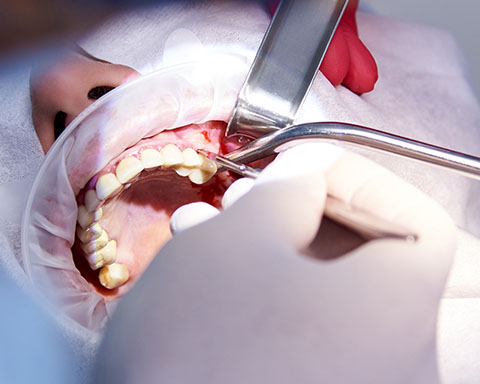
Over the last 15 years, more people are getting dental implants, making sinus lifts more common. Do you need sinus lift surgery and have some unanswered questions? Well, we’ve got you covered with the answers to some of the most common questions about sinus lift surgery. Including what a sinus lift is, when you need one, what happens before and after surgery, how the surgery works, the procedure’s risks, and when you should seek medical treatment after you get one. Our goal is for you to have all the info you need about your sinus lift procedure so you can feel fully confident as you prepare for your sinus lift.
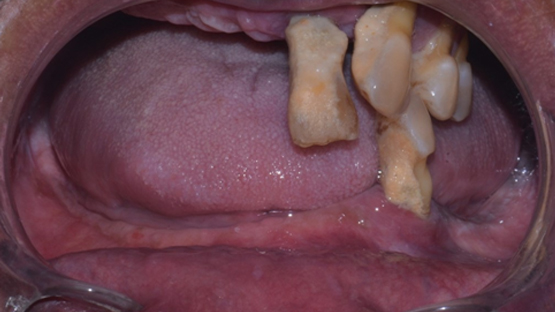
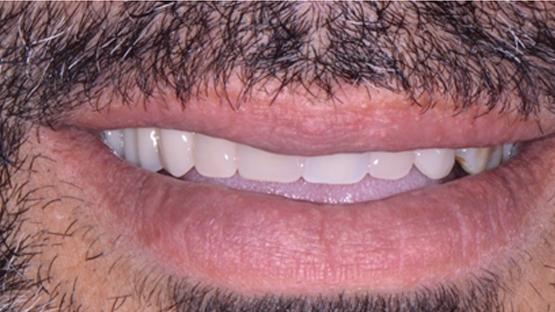

We offer you to visit the clinic and meet our team. There will be no hard-sell or pressure, just a professional and honest approach to your dental care. Our aim is to make sure that your visit is relaxing, stress-free, informative and caring.

Many patients are a little nervous when they arrive, and so our professional and caring team will ensure that you are put at ease and seen promptly. Dentistry at our clinic is not ‘one size fits all”, our aim is to provide every patient personalized dental care based on individual needs.
What Is a Sinus Lift?
A sinus lift, aka sinus augmentation, is a surgery that makes it easier to place dental implants. Some people need dental implants but don’t have enough bone support necessary for implants because of bone loss. A sinus lift can help as it increases the amount of bone in the upper jaw by adding bone to the space between your molars and premolars. To make room for the bone, the sinus membrane has to be moved upward or “lifted,” which gives the surgery its name. A dental specialist like an oral maxillofacial surgeon or an implantologist usually handle sinus lifts.
When Do You Need a Sinus Lift?
If your general dentist can’t place your dental implants because you don’t have enough bone height in the upper jaw or your sinuses are too close to the jaw, your dentist may recommend that you get a sinus lift by a specialist. Are you wondering why you might have bone loss? Good question. Some causes of bone loss include:
What Happens Before a Sinus Lift Surgery?
If you’re getting sinus lift surgery, your dental professional will first determine where they’ll get the extra bone. The three most common types of bone used in sinus lift surgeries are:
If the bone comes from your own body, it will come from other areas of your mouth or body.
You’ll then need to get X-rays and 3D scans taken. X-rays and scans allow the surgeon or dental specialist to study your jaw and sinuses so they can figure out precisely what you need.
How Is a Sinus Lift Surgery Done?
Now, we’ll go over what you can expect in surgery so that you’re fully prepared and confident as you go into your sinus lift. Here’s a general sequence of events that take place during sinus lift surgery:
In about 4-12 months after your sinus lift surgery, your dentist will place your implants. This time in between form new bone to merge correctly with your existing bone. The amount of time between your surgery and getting your implants placed depends on how much bone you needed. Your dental professional will let you know when they’ll be able to place your implants.
Who can do sinus lift surgeries?
Sinus lift is a specialized procedure and one need to be a specialist in order to perform this surgery. Mostly ENT surgeons, Maxfac surgeons and a Board-Certified Implantologist with full training in all the related fields of implantology can perform this procedure with great confidence. As, it is a complex procedure which requires certain sets of skills so a surgeon who is performing the procedure should be well acquainted about the complication and its management.
What Happens After a Sinus Lift?
Most people only experience a little discomfort after their sinus lift. You might have some swelling. You might also experience some light bleeding from your nose or mouth in the days immediately following surgery.
After your procedure, try not to blow your nose or sneeze frequently. (We know sneezing is hard to control, so try to stay away from anything that makes you extra sneezy). Sneezing and blowing your nose can cause the bone-graft material to move and loosen the stitches. So be careful.
Your dentist or dental specialist might give you:
You will have a first follow-up appointment with the dental specialist 2 days after your surgery. During this appointment, the specialist will examine the surgical site, swelling any pain if it might happen. Your second visit will most probably be between 7 to 10 days after your surgery day and on this day your specialist will remove any stitches that have not dissolved independently. In some cases, patients need to return a few more times for a check-up. There’s no need to worry, though. Your dental professional wants to make sure that you’re healing properly.
What Are the Risks of a Sinus Lift?
As with any surgery or procedure, there are some risks associated with sinus lift surgery. The main risk is puncturing or tearing of sinus membrane. Not to worry! If this happens, the surgeon will either stitch the sinus tear or place a patch over it. If the repair to the sinus membrane is more complicated, your surgeon might stop the procedure and give you some time to heal before trying again.
Infection is also a risk, as with any surgical procedure. However, infections from a sinus lift are uncommon.
In rare cases, the existing bone does not integrate with the bone graft material, which means that the grafted area cannot develop a blood supply. If this happens, you might have to have the sinus lift procedure again.
There is also the possibility of acute maxillary sinusitis after a sinus lift, which presents as temporary inflammation of the membranes in your nose and sinuses. This condition makes it hard to drain mucus from your nose. Research shows that caution taken throughout the procedure helps to keep the sinuses open.
When Should You Call a Professional After a Sinus Lift?
Although healing after a sinus lift is usually straightforward, there are some cases where you may need extra support. After a sinus lift, you should contact your surgeon if:
If you have a sinus lift coming up, you now know what to expect throughout the surgery process. Your dentist or surgeon will need to take an X-ray of your mouth to determine what they’ll need to do during the procedure. Once it takes place, you’ll get the support you need to recover from your surgeon, which may include pain medicine, antibiotics, and or a rinse. Remember that it will take some time before your dental professional can place your dentures. You’ll also need to see them for a check-up a week or so after the sinus lift. If you notice anything severe like pain, bleeding, or if you have a fever, call your surgeon right away. We wish you a speedy recovery in your sinus lift and know that with all of these questions answered, you can feel confident as you go through the procedure. Be well.
This information is for educational purposes only. This content is not intended to be a substitute for professional medical advice, diagnosis or treatment. So what exactly does bone grafting entail? Traditionally the process involves removing a piece of bone from another part of the patient’s jaw or body and transplanting it into the jawbone. Alternative options today include obtaining bone from a cadaver source or an animal source to replace the missing bone. These options provide less morbidity to the patient, prevents a second surgical site, and are just as successful. After this process, it may take several months for the transplanted bone to grow enough new bone to support the actual placement of a dental implant.
Once the jawbone does heal, the implant process moves forward. This starts with placing the titanium dental implant post into the jawbone. This stage also may take up to several months to heal.
Finally, once healing is complete, the board-certified implantologist will place the abutment, an extension of the implant’s metal post, into the jaw. Again, time must be allowed for the soft tissue to heal. After healing, molds of the teeth and jawbone are taken, and the procedure of inserting the final tooth or teeth can take place.
We will send you a confirmation within 48 hours. For more information, Call: +92 300 268 5875
Call us today for a consultation to enable you to make a considered and informed choice about your dental care.
I will be back soon
